02 Mar
Posted By
admin
632 View(s)
A car’s paint is one of the first things people notice. A deep, glossy shine not only makes your vehicle look stunning but also reflects how well it is maintained. However, over time, car paint can lose its shine due to dust, sunlight, pollution, scratches, and improper washing techniques. This is where car polishes and compounds play an important role.
For beginners, the world of car detailing can seem confusing. Many people don’t understand the difference between polishing and compounding, when to use them, or how they work. If you want to restore your vehicle’s shine and keep it looking brand new, understanding these products is essential.
In this guide, we’ll explain everything you need to know about car polishes and compounds, how they work, when to use them, and how to choose the right products for your vehicle. Whether you are a car enthusiast or someone just starting their detailing journey, this guide will help you achieve a perfect showroom shine.
What Are Car Polishes and Compounds?
Car polishes and compounds are detailing products designed to restore and enhance the appearance of your car’s paint. They work by removing imperfections from the paint surface such as scratches, swirl marks, oxidation, and dullness.
Although they are often mentioned together, they serve slightly different purposes.
Car Compounds
Compounds are more abrasive products used to remove deeper imperfections from the paint surface. They cut into the clear coat slightly to level out scratches and marks.
Compounds are typically used for:
- Removing deeper scratches
- Eliminating oxidation and heavy swirl marks
- Restoring faded paint
- Preparing paint before polishing
Compounds are often the first step in paint correction.
Car Polishes
Polishes are less abrasive and are used after compounding. Their main purpose is to refine the paint surface and restore its gloss.
Polishes help with:
- Removing light swirl marks
- Enhancing shine and clarity
- Improving paint smoothness
- Preparing paint for wax or ceramic coating
For beginners looking to explore quality detailing products, you can explore professional-grade polishes and compounds at coating daddy where many car care solutions are available for enthusiasts and professionals.
Why Your Car Needs Polishing and Compounding
Even if you wash your car regularly, its paint is constantly exposed to harmful elements. Over time, these elements damage the clear coat layer and reduce the shine.
Here are some common problems polishing and compounding can fix.
Swirl Marks
Swirl marks are tiny circular scratches usually caused by improper washing, dirty cloths, or automatic car washes.
Oxidation
When the paint surface is exposed to sunlight for long periods, it can become dull and chalky due to oxidation.
Water Spots
Hard water minerals can leave stains on the paint surface that affect the shine.
Minor Scratches
Everyday use can cause small scratches from dust, branches, or improper cleaning tools.
Using the right polishes and compounds from trusted sources like coating daddy can help restore the original gloss of your vehicle.
Understanding the Difference Between Polishes and Compounds
Many beginners use these products interchangeably, but understanding the difference helps you achieve better detailing results.
| Feature |
Compounds |
Polishes |
| Abrasiveness |
High |
Low |
| Purpose |
Remove deeper scratches |
Refine paint and add shine |
| Step in Detailing |
First step |
Second step |
| Result |
Surface correction |
High gloss finish |
Typically, a detailing process follows this sequence:
Wash → Compound → Polish → Protect
Using both steps properly ensures that the paint surface becomes smooth and reflective.
Types of Car Polishes and Compounds
There are several types of polishing and compounding products available in the market. Choosing the right one depends on the condition of your car’s paint.
Heavy Cut Compounds
These are designed for severe paint defects and scratches. They remove more clear coat material to level the surface.
Medium Cut Compounds
Ideal for moderate scratches and swirl marks.
Finishing Polishes
These are used after compounding to refine the paint and enhance gloss.
All-in-One Polishes
Some products combine light cutting ability with polishing agents, making them ideal for beginners who want a simple solution.
You can find a variety of detailing products and tools that support these processes at coating daddy, helping beginners and professionals achieve better results.
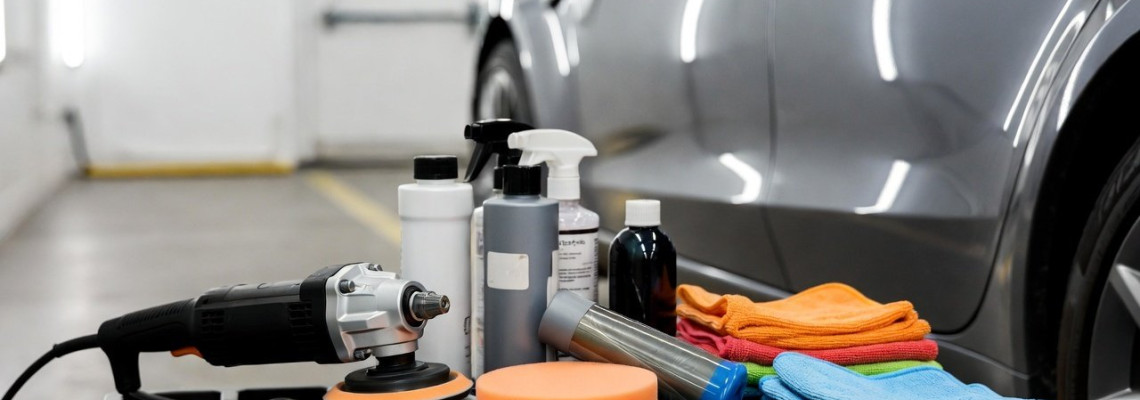
Tools Needed for Polishing and Compounding
Using the right tools is just as important as choosing the right product.
Dual Action Polisher
A dual-action (DA) polisher is beginner-friendly and safe for paint correction.
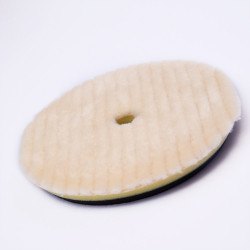
Foam Pads
Different pads provide different levels of cutting and finishing.
Common types include:
- Cutting pads
- Polishing pads
- Finishing pads
Microfiber Towels
These help wipe off polish residue without scratching the paint.
Paint Prep Cleaners
Used to clean the surface before polishing.
High-quality detailing tools and accessories can also be found at coating daddy to help achieve professional results.
Step-by-Step Guide to Using Car Polishes and Compounds
If you are new to car detailing, follow this simple step-by-step process.
Step 1: Wash the Car Thoroughly
Start by washing your car using a high-quality car shampoo. This removes dirt and debris that could scratch the paint during polishing.
Step 2: Decontaminate the Surface
Use a clay bar or iron remover to eliminate embedded contaminants.
Step 3: Inspect the Paint
Check for swirl marks, scratches, and dull areas to determine where compounding is needed.
Step 4: Apply Compound
Apply a small amount of compound on a cutting pad and work it into the paint using a polisher or by hand.
Work in small sections for better control.
Step 5: Wipe Residue
After compounding, wipe off the residue using a microfiber towel.
Step 6: Apply Polish
Switch to a polishing pad and apply polish to refine the paint surface.
Step 7: Protect the Paint
After polishing, apply wax, sealant, or ceramic coating to protect the shine.
For professional-grade detailing products and tools, many car enthusiasts explore options available at coating daddy.
Tips for Beginners
If you are new to polishing and compounding, keep these tips in mind.
Start With the Least Aggressive Product
Always begin with a mild polish before moving to stronger compounds.
Work in Small Sections
This helps maintain control and ensures even correction.
Keep Pads Clean
Dirty pads can cause scratches.
Don’t Over Polish
Excessive polishing can remove too much clear coat over time.
Use Proper Lighting
Good lighting helps identify scratches and imperfections clearly.
Common Mistakes to Avoid
Many beginners make mistakes that can damage the paint surface. Avoid these common issues.
Using Too Much Product
Applying excessive compound or polish can make the process messy and ineffective.
Skipping the Wash Step
Polishing on a dirty surface can create more scratches.
Using the Wrong Pad
The wrong pad can either fail to correct the paint or cause unnecessary damage.
Applying Too Much Pressure
Let the machine and product do the work instead of forcing pressure.
Learning proper detailing techniques and using trusted products from coating daddy can help avoid these mistakes.
How Often Should You Polish Your Car?
Polishing too often is not recommended because it removes a small layer of clear coat.
Generally:
- Light polishing: once or twice a year
- Compounding: only when necessary
For regular maintenance, washing and applying wax or ceramic protection is sufficient.
Benefits of Using Polishes and Compounds
Using these products correctly offers several benefits.
Restores Original Shine
They bring back the deep gloss that your car had when it was new.
Removes Paint Imperfections
Scratches, swirl marks, and oxidation are reduced significantly.
Improves Paint Clarity
Polished paint reflects light better, making the car look cleaner and brighter.
Prepares Surface for Protection
Polishing creates the perfect surface for wax or ceramic coating.
Choosing the Right Products
When selecting polishing and compounding products, consider these factors.
- Paint condition
- Level of scratches
- Tool compatibility
- Ease of use for beginners
Reliable detailing suppliers like coating daddy offer a variety of car care products designed for different detailing needs.
Final Thoughts
Car polishes and compounds are essential tools for restoring and maintaining your vehicle’s paint. While beginners may initially find the detailing process complex, understanding the difference between these products makes the process much easier.
Compounds help remove deeper paint defects, while polishes refine the surface and create a brilliant shine. When used correctly, they can transform dull and scratched paint into a smooth, glossy finish.
By following proper detailing techniques, using the right tools, and choosing quality products from trusted sources like coating daddy, anyone can achieve professional-level results at home.
With patience and practice, even beginners can master the art of paint correction and enjoy a car that looks clean, glossy, and showroom-ready.
 +1 63149-00171
 +91-120-4061367